
• LISTED PROPERTIES
  • SOLD / LEASED PROPERTIES
  • Blog
  • ABOUT
Menu

Selekt Properties

  • LISTED PROPERTIES
  • SOLD / LEASED PROPERTIES
  • Blog
  • ABOUT

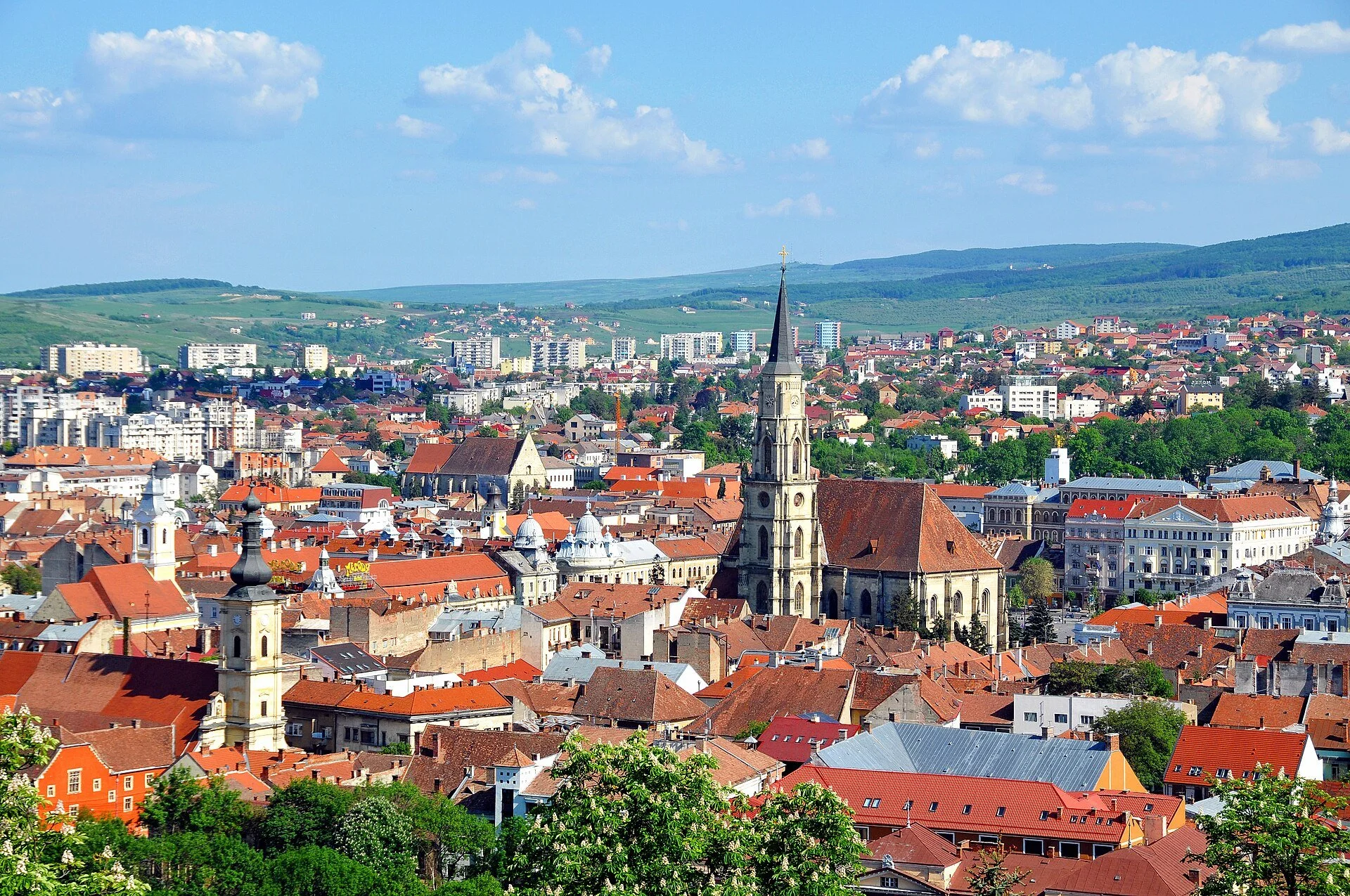
CLUJ-NAPOCA, ROMANIA

CLUJ-NAPOCA the "heart" of Transilvania

March 18, 2026

CLUJ-NAPOCA is the unofficial capital of the Transylvania region, and it is located in northwestern Romania.

Cluj is home to universities and landmarks, dating to Saxon and Hungarian rule. It is a youthful capital, with beautiful architecture, a lively cafe/bar scene, numerous festivals, and easy access to surrounding nature, making it great for city exploration and a base for regional travel.

Although Cluj-Napoca is more affordable than major Western European cities, it is considered expensive by Romanians. This is primarily due to its booming tech scene and its status as a key economic hub in Transylvania. The IT investment creates a high demand for housing and services, but the space is limited for new development, especially due to hilly terrain.
Comment

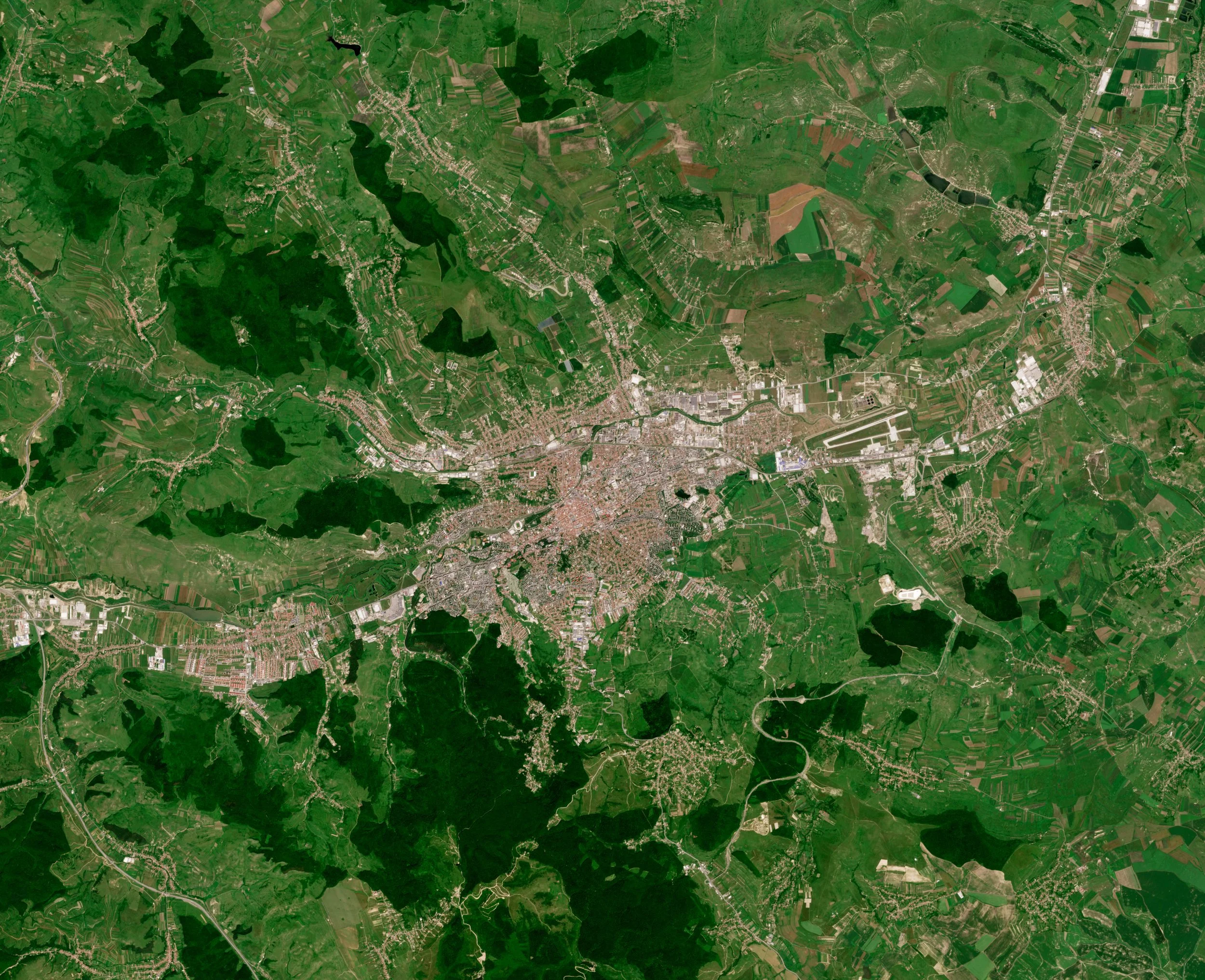
CLUJ-NAPOCA Satellite image

March 18, 2026

Cluj-Napoca is a very walkable city, especially within the Old Town, where the majority of landmarks are in proximity to each other.

At the heart of the Old Town, or Centru, is Unirii Square, ringed by elegant 1700s and 1800s buildings like Banffy Palace, housing a fine arts museum. Gothic St. Michael’s Church has ornate windows and an elaborate pulpit, and remnants of medieval fortifications include Tailors’ Tower. The area is home to the Romanian National Opera and the Transylvanian Museum of Ethnography, and is packed with eateries and bars.

Central Park in Cluj was established in the 19th century, and it is a premier, historic green oasis in the heart of Cluj-Napoca, located on the southern shore of the Someșul Mic River. It is a popular, 13-hectare recreational spot featuring century-old trees, a picturesque lake (Chios) for boating, and the iconic renovated Casino building.

Comment

Satellite-Cluj-Napoca

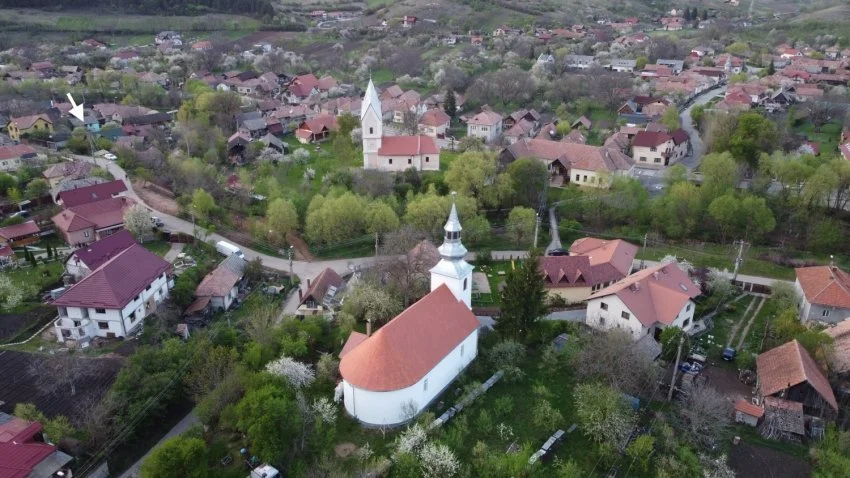
VLAHA, CLUJ-NAPOCA COUNTY

March 18, 2026

​Vlaha is the second most populous village in the municipality of Săvădisla, County of Cluj, Romania. It takes its name from the Fenes stream that flowed through the settlement. The word ‘fenes’ is derived by linguists from the Hungarian verb fen, meaning water in which there are stones suitable for grinding. 

Since 1998, Vlaha has been one of the venues of the St. Stephen’s Day Folk Dance Festival. Every year, folk dance groups from all over Europe parade through its streets and perform on the open-air stage in front of the Culture Centre. On the outskirts of the village, sculptor Ernő Bartha has created a sculpture park of monumental hay sculptures, which hosts cultural events several times a year.

​The first written record of the village dates from 1263, when it was known as Fenes, and from 1332 it is mentioned in papal documents as Olafenes, Olaufenes, Valahfenes. It was distinguished from other settlements along the Fenes stream, Szászfenes and Kisfenes, by the Olach (Valah, Romanian) vernacular name. From the middle of the 19th century the name of the settlement was changed to Ófenes from 1889 to Magyarfenes (Hungarian Fenes). The Romanian name of the village appears in documents from 1733 in the form Vlaha, Blaha, Blahu, and in the early 20th century also as Feneșul Unguresc. 

Comment

Latest Posts

Powered by Squarespace